The Ultimate Guide to Boxing Hand Wraps: Protection, Performance, and Proper Use
Release time: 2026-05-07
Table of Contents
Boxing is a demanding combat sport that requires precision, explosive power, and above all, rigorous protection. Before you even think about sliding your hands into a pair of heavy gloves and stepping into the ring, there is one foundational step you absolutely cannot skip: applying your boxing hand wraps.
Whether you are a seasoned professional fighter or a fitness enthusiast hitting the heavy bag for the first time, protecting your hands is non-negotiable. At TOPJOY, we understand that true power starts with a solid foundation. In this comprehensive guide, we will dive deep into why hand wraps are essential, how to choose the right type for your training, and the correct techniques to ensure maximum safety and performance.
Why Are Boxing Hand Wraps Essential?
Many beginners mistakenly believe that boxing gloves alone provide enough protection. However, gloves are primarily designed to protect your opponent’s face and cushion the surface of your knuckles. Your hands, on the other hand, are complex structures made up of 27 small bones, intricate tendons, and fragile cartilage.
When you throw a punch, the force generated travels back through your knuckles, hand, and wrist. Without proper support, this impact can cause bones to shift, tendons to tear, or the wrist to hyperextend. Wearing high-quality wraps tightens your hand into a solid, compact fist, distributing the force of the impact evenly across the entire hand rather than isolating it on one or two fragile knuckles. Furthermore, wraps play a critical role in preventing wrist injuries in boxing by locking the wrist joint in alignment with the forearm, reducing the risk of dangerous sprains.
Types of Hand Wraps: Which is Right for You?
The market is flooded with various types of hand protection, each serving a different purpose and preference. Understanding the differences is crucial for optimizing your training experience.
1. Traditional Cotton Wraps
These are the standard, non-stretch wraps used by many purists. They are incredibly durable, machine-washable, and provide a rigid, cast-like feel when wrapped correctly. However, because they do not stretch, they can be slightly more challenging for beginners to wrap tightly without cutting off circulation.
2. Mexican-Style Wraps
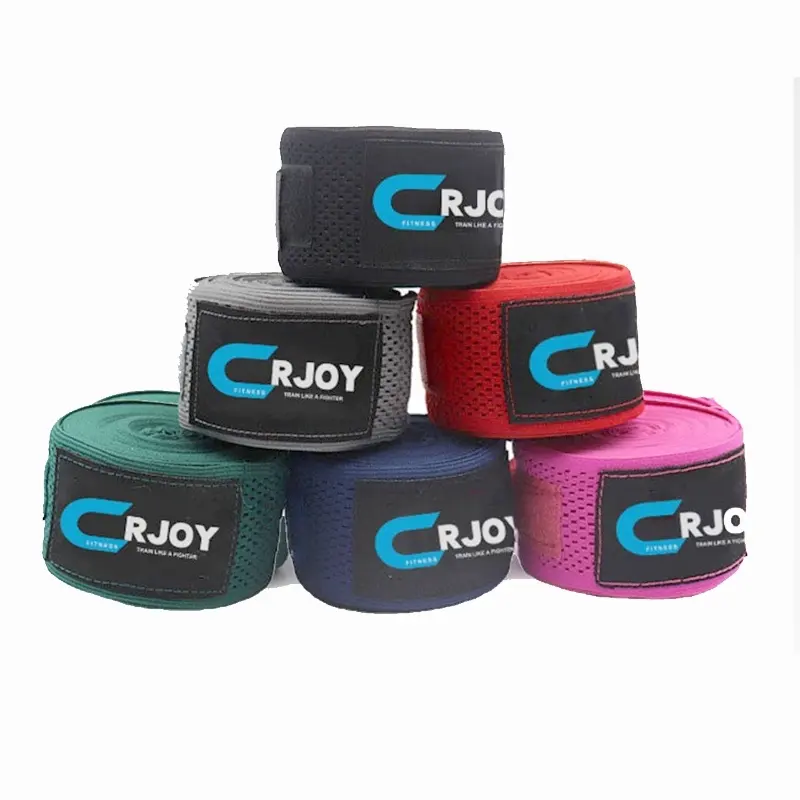
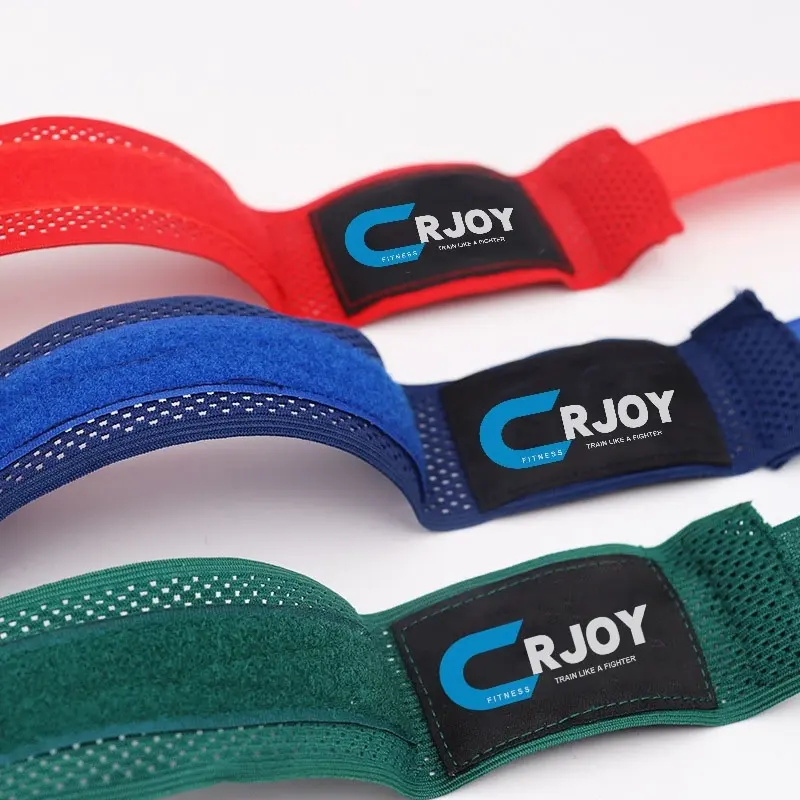
Currently the most popular choice among modern fighters, Mexican-style wraps are made from a blend of cotton and elastic. When comparing elastic versus cotton hand wraps, the elastic variant conforms much better to the unique shape of your hand. They allow for a snug, breathable fit while still offering premium support and flexibility during intense sparring sessions.
3. Quick Gel Wraps
For those who are short on time or struggle with traditional wrapping techniques, gel wraps are a modern alternative. They slip on like fingerless gloves and feature gel padding over the knuckles, secured by a short Velcro wrist strap. While analyzing gel boxing hand wraps vs traditional wraps, it is important to note that while gel wraps offer excellent convenience and knuckle protection, they generally provide less customized wrist support than traditional 180-inch fabric wraps.
Choosing the Right Length
When shopping for fabric wraps, you will typically find lengths ranging from 108 inches to 180 inches.
- 108-inch wraps: Best suited for children, individuals with very small hands, or light cardio kickboxing classes.
- 180-inch wraps: The industry standard for adult fighters. The extra length allows for additional loops around the knuckles and wrists, making them the best hand wraps for heavy bag training where maximum impact absorption is required.
A Step-by-Step Guide on Wrapping Your Hands
Knowing how to wrap hands for boxing is a rite of passage for any martial artist. A poor wrap job can lead to severe injuries. Here is a basic, highly effective method for applying 180-inch wraps:
- The Thumb Loop: Start by slipping your thumb through the loop at the end of the wrap. Ensure the seam is facing down against your skin so the Velcro will be on the correct side at the end.
- Secure the Wrist: Wrap the fabric tightly around your wrist 3 to 4 times. This forms the foundational support for your wrist joint.
- Cover the Knuckles: Bring the wrap diagonally across the back of your hand and wrap around your knuckles 3 to 4 times. Do not wrap too tightly; make a fist periodically to ensure you aren’t cutting off circulation.
- Between the Fingers: Bring the wrap down to your wrist, then pull it up between your pinky and ring finger. Anchor it back down to the wrist. Repeat this process for the remaining spaces between your fingers.
- Lock the Thumb: Wrap once around the base of the thumb to prevent it from hyperextending backward during a rogue hook.
- Finish Strong: Use the remaining fabric to reinforce the back of the hand and the wrist. Fasten the Velcro securely.
Mastering proper hand wrapping techniques takes practice, but it is an invaluable skill that will keep you in the gym and out of the doctor’s office.
Care and Maintenance for Longevity
Sweat, bacteria, and dead skin cells accumulate quickly in combat sports gear. Without proper hygiene, your wraps will not only smell terrible but will also degrade faster. Cleaning and maintaining boxing wraps is quite simple:
- Wash Regularly: Wash your wraps after every 1 to 2 uses. To prevent them from tangling into a massive knot in the washing machine, place them inside a mesh laundry bag.
- Air Dry Only: Never put your hand wraps in the dryer. The intense heat will destroy the elastic fibers and shrink the cotton. Hang them over a door or a drying rack.
- Roll Them Up: Once dry, roll them up tightly starting from the Velcro end. This ensures the thumb loop is ready for your next session, saving you time and frustration at the gym.
Why Choose TOPJOY for Your Combat Sports Gear?
When you step into the ring, your focus should be entirely on your technique and your opponent, not on whether your gear will hold up. TOPJOY is dedicated to engineering premium combat sports equipment designed for maximum durability, comfort, and protection. Our boxing hand wraps are crafted from the perfect blend of breathable cotton and resilient elasticity, ensuring a professional-grade fit every single time you train.
Conclusion
Your hands are your greatest weapons in the ring, but they are also incredibly vulnerable. Investing in a high-quality pair of boxing hand wraps and taking the time to learn the correct wrapping technique is the smartest decision a fighter can make. Protect your tools, elevate your performance, and let every punch land with confidence.
Frequently Asked Questions (FAQs)
Q1: Do I really need to wear hand wraps if I am using heavily padded 16oz boxing gloves?
Yes, absolutely. While 16oz gloves provide excellent padding, they do not stabilize the internal bones of your hand or lock your wrist into a safe position. Hand wraps are designed to compress your hand into a solid, unified piece, preventing internal bone shifting and wrist sprains, regardless of the glove’s size.
Q2: How tightly should my boxing hand wraps be applied?
Your wraps should be snug enough to feel supportive and secure, but not so tight that they cause discomfort, throbbing, or a loss of circulation. A good test is to make a tight fist—the wrap should feel solid and compact. When your hand is relaxed, you should still be able to wiggle your fingers easily.
Q3: Can I use MMA hand wraps for traditional boxing?
Generally, yes. Most MMA hand wraps and boxing wraps are made from the same materials (cotton or elastic blends). However, MMA fighters sometimes prefer slightly shorter wraps (like 120 inches) because MMA gloves are smaller and tighter. For traditional boxing, especially heavy bag work, 180-inch wraps are strongly recommended for the best protection.